The Best Cuts for Grinding Burgers at Home
The cut you grind matters more than any seasoning you add.
Store-bought ground beef gets the job done, but grinding your own gives you full control over fat content, freshness, and texture. The key is choosing the right cuts. Some beef cuts produce a loose, juicy patty that holds together on the grill, while others grind into a dense or greasy result. Knowing the difference before you buy saves you money and a ruined cookout.
Products mentioned in this post


Chuck: The Gold Standard for Burgers
Chuck roast or chuck shoulder is the most recommended cut for home grinding, and for good reason. It typically runs around 80 percent lean and 20 percent fat, which is the sweet spot for a burger that stays moist without falling apart or leaving a grease puddle in the pan. The fat in chuck is well-distributed through the muscle, so it melts evenly during cooking. You can find chuck roast at most supermarkets for a reasonable price, often cheaper per pound than pre-ground beef. Cut it into 1-inch cubes before feeding it into the grinder for the cleanest grind.
Brisket: Rich Flavor With Higher Fat
Brisket point, the fattier of the two brisket sections, adds a deep, beefy richness that chuck alone does not match. Fat content runs high, sometimes above 30 percent, so most cooks blend brisket with leaner cuts rather than using it solo. A common ratio is two parts chuck to one part brisket, which brings the fat content into the 25 percent range and produces a burger with real depth of flavor. Brisket can be tougher to find in small quantities, but most butcher counters will cut a section for you if you ask.
Short Rib: The Upgrade Option
Boneless short rib adds marbling and a rich, almost buttery flavor that elevates a burger without making it greasy. Fat content is similar to brisket point, so blending with chuck is still the right call. Short rib is more expensive than chuck, which makes it a special-occasion addition rather than an everyday ingredient. If you want a burger that tastes noticeably different from anything you can buy pre-ground, a blend of chuck and short rib is one of the best routes. Grind it while cold or even partially frozen to keep the fat from smearing.
Sirloin: Leaner but Flavorful
Sirloin produces a leaner grind, often in the 90 to 10 range, which means less juice and more risk of a dry patty if you overcook it. That said, sirloin has genuine beef flavor without the fattiness of chuck, and some people prefer a firmer, less greasy burger. If you go with sirloin, cooking to medium (145 degrees internal) rather than well-done is important, since there is less fat to compensate for moisture loss. Blending sirloin with a small amount of chuck or brisket trimmings can balance the fat without losing the cleaner flavor profile sirloin offers.
Mixing Cuts for a Custom Blend
Most serious burger cooks use a blend rather than a single cut. A common starting point is 60 percent chuck, 20 percent brisket, and 20 percent short rib, which gives a fat content around 25 to 28 percent and a complex flavor. You can adjust the ratio based on what is available and what your grinder handles well. Grinding the cuts together in a single pass produces a more uniform texture than grinding separately and mixing. Keep everything cold throughout, and work quickly so the fat stays firm rather than smearing, which leads to a dense, tight-textured patty.
Tips for Grinding Beef at Home
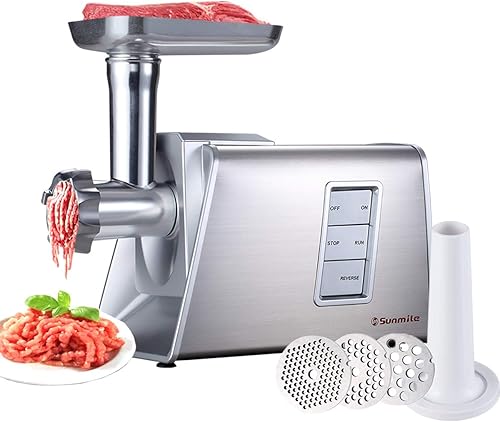
Freeze the cut beef for 20 to 30 minutes before grinding so the fat stays solid. A grinder with a coarse plate (around 3/8 inch) gives you a looser, more open texture that most burger fans prefer. For a denser patty, run the meat through twice using the fine plate, but this is not necessary for most home cooks. Keep the grinder parts cold too. If your kitchen is warm, put the grinder head in the freezer for 10 minutes before starting. Grind directly onto a cold tray or bowl, then form patties quickly and refrigerate until you are ready to cook.
Fat Percentage and What It Means for Your Patty
Fat percentage is the single most important number when choosing a grind for burgers. Below 15 percent fat, the patty tends to dry out on the grill and can crumble. At 20 percent, you get a juicy, cohesive patty that holds together well. Above 30 percent, the burger shrinks significantly and can leave a pool of grease in the pan. The 80/20 range is the standard recommendation because it cooks reliably without special handling. If you want to track fat percentage when blending cuts, a kitchen scale and a rough knowledge of each cut's fat content lets you hit your target before the meat ever touches the grinder.
Frequently asked questions
What is the best fat percentage for homemade burger meat?
Most cooks aim for 20 to 25 percent fat. The 80/20 blend is the most common recommendation because it stays juicy on the grill and holds its shape without releasing excessive grease. Going below 15 percent fat increases the risk of a dry, crumbly patty, especially if the burger is cooked past medium.
Can I use a single cut of beef for burgers or do I need to blend?
A single cut works fine. Chuck roast on its own at 80/20 produces an excellent burger without any blending required. Blending cuts like brisket or short rib adds flavor complexity, but it is not necessary for a good result. Many home cooks grind pure chuck and are happy with the outcome.
Should I freeze the meat before grinding it?
Yes, chilling the cut beef in the freezer for 20 to 30 minutes before grinding makes a real difference. Cold fat stays firm and grinds cleanly, while warm fat smears and compacts the grind, leading to a dense, tight patty. The meat should be very cold but not frozen solid.
What plate size should I use for burger meat?
A coarse plate, roughly 3/8 inch, produces the open, loose texture most people associate with a good burger. A fine plate works if you prefer a denser patty or are making sliders. Running meat through the grinder twice with the fine plate makes it very compact, which some recipes call for but is not typical for standard burgers.
Is grinding my own burger meat actually worth the effort?
For most home cooks, yes. Freshly ground beef has better texture than meat that has been sitting in a package, and you know exactly what cut went into it. The process takes about 15 minutes once you have a grinder, and the difference in flavor and juiciness compared to pre-ground beef is noticeable. The main investment is the grinder itself.