The Best Foods to Vacuum Seal for the Freezer
Vacuum sealing before freezing can stretch freezer life from weeks to years for the right foods. Here is what works, what does not, and how to do it right.
Freezer burn is not a food safety problem, but it is a quality killer. The dry, leathery patches you find on meat or vegetables after a few months in the freezer come from air reaching the food surface. Vacuum sealing pulls that air out before the food goes in, and the difference in quality at the thaw is noticeable. That said, not every food handles vacuum sealing the same way. Some come out of the freezer tasting almost fresh. Others turn to mush or create a safety risk if sealed incorrectly. This guide covers the best candidates for vacuum sealing, how to prep each one, and the few foods you should handle differently.
Products mentioned in this post


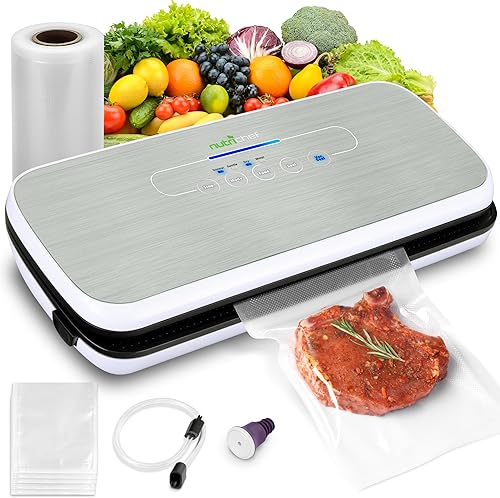
Raw and Cooked Meats
Meat is the most popular reason people buy a vacuum sealer, and for good reason. A regular zip bag keeps beef or chicken acceptable in the freezer for about 6 months. Vacuum sealed, USDA estimates put that number at 2 to 3 years for most cuts. The difference comes down to how much oxygen contacts the meat surface. Less oxygen means less oxidation, less freezer burn, and better color and flavor when you thaw.
Boneless cuts vacuum seal most cleanly. Bone-in pieces like chicken legs or pork chops can puncture the bag, so wrap those in a layer of plastic wrap first to cushion any sharp edges before you seal. For ground meat, form it into flat patties or flatten it in the bag before sealing so it thaws faster and stacks neatly in the freezer. Cooked meats such as pulled pork, sliced roast, or leftover meatballs seal just as well. Cool them completely in the fridge before bagging, then seal.
Fish and Seafood
Fish is particularly prone to freezer burn because it has a high water content and delicate fat that goes rancid quickly when exposed to air. Fatty fish like salmon, tuna, and mackerel benefit the most from vacuum sealing. White fish such as cod and tilapia also freeze well sealed. Shrimp, scallops, and lobster tails are good candidates too.
One useful trick with fish is a glaze freeze before sealing. Dip the fillets in cold water, let a thin layer of ice form on the surface in the freezer for about an hour, then vacuum seal. The ice layer adds extra protection against cell damage during freezing. For shellfish like shrimp, freeze them on a sheet pan first until solid, then transfer to a vacuum bag and seal. This keeps them from clumping into one frozen mass and lets you pull out exactly what you need.
Vegetables
Most vegetables need to be blanched before you vacuum seal them for the freezer. Blanching means dropping them into boiling water for 1 to 4 minutes depending on the vegetable, then moving them straight into an ice bath to stop the cooking. This step deactivates enzymes that cause vegetables to soften, lose color, and turn bitter even in the freezer.
Green beans, corn, peas, broccoli, carrots, and asparagus all freeze very well after blanching and vacuum sealing. Spread blanched vegetables in a single layer on a sheet pan and freeze until solid before sealing. This pre-freeze step keeps the pieces separate instead of fusing together in the bag. Leafy greens like spinach and kale can be blanched and sealed, but expect a soft texture after thawing. They work best used in cooked dishes rather than eaten raw.
Fruits
Fruits do not need blanching, but they do need a pre-freeze step for the same reason as vegetables. Spread berries, mango chunks, peach slices, or banana pieces on a parchment-lined sheet pan and freeze for 1 to 2 hours until solid, then vacuum seal. Skipping this step results in a crushed, compacted bag of fruit pulp after sealing.
High-sugar fruits like strawberries and mango hold up particularly well in the freezer when sealed, often lasting 2 to 3 years without significant quality loss. Apples and pears benefit from a brief dip in a lemon juice and water solution before freezing to prevent browning. Citrus segments, cherries, and grapes all freeze cleanly once pre-frozen. Avocados are a special case. Freeze them as a puree or mashed with a bit of lemon juice rather than as whole halves, which turn black and watery.
Cheese and Dairy
Hard and semi-hard cheeses like cheddar, mozzarella, gouda, and parmesan vacuum seal well for the freezer. Soft cheeses such as brie or ricotta do not freeze cleanly regardless of sealing method since their texture breaks down significantly. Cut blocks of hard cheese into portions you will use in one go before sealing, because refreezing cheese repeatedly hurts the texture.
Butter freezes exceptionally well vacuum sealed. Keep it in the original box or wrap the sticks in parchment, then seal the whole package. Butter can stay in the freezer for up to a year this way. Whole milk, cream, and most other liquid dairy products are not good candidates for vacuum bag sealing because they can be difficult to handle in standard external sealers and the texture of cream-based products often changes after freezing.
Bread, Grains, and Baked Goods
Bread and baked goods are often overlooked as vacuum sealer candidates, but they freeze beautifully sealed. Sliced bread, rolls, muffins, and pancakes can go from freezer to toaster without any significant loss in texture. Seal bread in portions you will use at one time. A full loaf is fine, but smaller batches let you pull out just what you need.
Cooked grains like rice, quinoa, and pasta freeze well in sealed portions. Cook them, cool completely, spread onto a sheet pan to freeze individually, then seal in meal-size bags. These reheat straight from frozen in a pot of boiling water or a microwave. Uncooked grains, dried beans, and flour also benefit from vacuum sealing for freezer storage because it protects against moisture, pests, and staleness over long periods.
Foods to Handle Carefully or Avoid
A few foods need special handling or should not go into a vacuum bag at all. Cruciferous vegetables like broccoli, cabbage, and Brussels sprouts release gas as they age, which can cause an unsealed bag to inflate over time. Blanching before sealing reduces this but does not eliminate it entirely, so plan to use these within a reasonable window rather than years out.
Raw whole mushrooms should not be vacuum sealed because the low-oxygen environment can allow certain bacteria to grow. Cook or freeze mushrooms on a sheet pan first, then seal. Raw garlic and onions in oil are a known food safety risk when vacuum sealed at room temperature, but freezing them sealed is safe. Soft ripe cheeses, liquid eggs, and carbonated items are poor fits for standard external vacuum sealers. If you have questions about a specific food, the USDA FoodKeeper app is a reliable reference for freezer storage times and safety guidelines. Questions about ShopperScout recommendations can go to hello@shopperscout.com.
Frequently asked questions
How long does vacuum sealed meat last in the freezer?
The USDA estimates that most vacuum sealed meats last 2 to 3 years in the freezer compared to about 6 months for meat stored in regular freezer bags. Ground meat typically stays good for about 1 year sealed.
Do you need to blanch vegetables before vacuum sealing for the freezer?
Yes, for most vegetables. Blanching deactivates enzymes that break down flavor, color, and texture during freezing. Skip blanching and your green beans or broccoli will turn mushy and bland within weeks even when sealed.
Can you vacuum seal liquids like soups or marinades for the freezer?
You can, but liquids need to be frozen solid first. Pour soup or marinade into a bag, lay it flat in the freezer until fully frozen, then run it through the sealer. Trying to seal liquid in an external vacuum sealer pulls the liquid into the machine.
Can you reuse vacuum sealer bags from the freezer?
Bags that held dry goods like bread, grains, or cheese can generally be washed and reused. Bags that held raw meat or fish should be discarded after one use to avoid cross-contamination.
Is it safe to vacuum seal garlic or herbs in oil for the freezer?
Yes, freezing garlic or herbs in oil is safe. The safety concern with garlic-in-oil only applies to room temperature storage, where the low-oxygen sealed environment can allow harmful bacteria to grow. Freezing prevents that risk.