Countertop Dishwasher Not Draining: Fixes That Actually Work
Standing water at the bottom of your countertop dishwasher is almost always fixable at home. Here is how to find the cause and clear it.
You open the door after a wash cycle and find an inch of murky water sitting at the bottom. It is one of the most common complaints countertop dishwasher owners report, and in most cases the fix takes ten minutes or less. Before you call a repair tech or ship the unit back, work through the seven causes below in order. Each one is easy to check without tools, and most require nothing more than a rinse under the faucet.
Products mentioned in this post

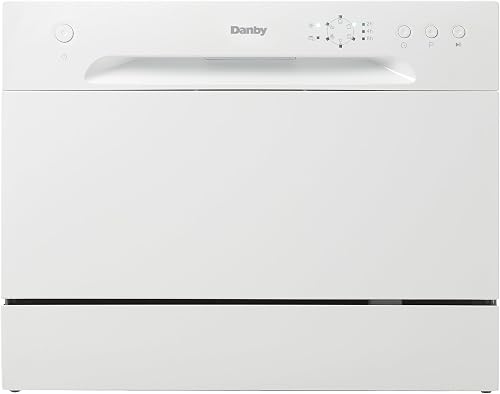

Why Countertop Dishwashers Drain Differently
A countertop dishwasher pumps waste water through a short drain hose that typically empties into your kitchen sink. Because the hose is short and the unit sits on the counter rather than below the drain line, the pump has to push water upward and over the sink rim. That path creates a few failure points that full-size under-counter machines rarely deal with. Understanding the layout helps you pinpoint the right fix quickly.
Most countertop models, including popular options from Danby, COMFEE, and NOVETE, use a gravity-assist drain at the end of the pump cycle. If anything blocks that path, water stays in the tub. Gravity cannot overcome a clog the way a powerful undercounter pump sometimes can.
Check the Drain Filter First
The drain filter sits at the bottom of the wash tub, usually under the lower spray arm. It catches food particles so they do not enter the pump. When it gets coated with grease and debris, water cannot pass through fast enough to drain completely.
To clean it, remove the lower rack, twist the filter counterclockwise, and lift it out. Rinse it under warm running water and use a soft brush to scrub away any film. Reinstall it firmly, because a filter that is not seated properly can also cause poor draining. Many owners find that cleaning the filter every two to three weeks prevents the problem from recurring.
Inspect the Drain Hose for Kinks or Blockages
The drain hose runs from the back of the unit to your sink. A single kink is enough to stop drainage entirely. Pull the dishwasher forward slightly and look at the full length of the hose. Straighten any bends and make sure the hose is not pinched between the machine and the wall or the cabinet edge.
Also check the end of the hose where it hangs into the sink. Food debris can build up at the opening. Remove the hose end, rinse it, and confirm the opening is fully clear. If the hose feels stiff or cracked, replacing it is cheap and usually fixes persistent drainage issues.
Make Sure the Sink Drain Is Clear
This one gets overlooked more often than you would expect. If your kitchen sink drains slowly on its own, the dishwasher cannot drain into it effectively. The wastewater backs up into the hose and stays in the tub.
Run the sink faucet and watch how fast the water drains. If it pools for more than a few seconds, clear the sink drain first. A standard drain cleaner or a quick plunge usually does the job. Once the sink drains freely, run a short dishwasher cycle and check whether the standing water is gone.
Look for a Drain Hose High Loop or Air Gap
Many countertop dishwasher manuals recommend routing the drain hose in a high loop before it drops into the sink. The loop, which brings the hose up to counter level before it descends, prevents dirty sink water from siphoning back into the dishwasher and can also help the pump push water out more effectively.
If you installed the hose without a high loop and the unit is not draining well, try creating one using a zip tie or a hook screwed under the counter edge. Some owners also install a small air gap fitting on the sink deck, which serves the same anti-siphon purpose. Either approach can resolve recurring standing water after cycles.
Check the Door Latch and Cycle Completion
Countertop dishwashers will not start or complete the drain phase if the door is not fully latched. A door that pops open slightly during a cycle stops the machine mid-program, which means the drain pump never activates. The water you see is simply the wash water that never got pumped out.
Close the door firmly and make sure the latch clicks. If the latch feels loose or the door does not stay shut under vibration, the latch mechanism may need adjustment. Also confirm the cycle actually finished. Some models show a light or beep when the cycle is complete. If the machine stopped early, restart it and let it run to the end before opening the door.
Run a Hot Water Flush Before the Cycle
Countertop dishwashers that use an internal water reservoir (as opposed to a direct water line connection) sometimes struggle to drain when the water in the tub has cooled and grease has solidified. Running the hottest tap water into your sink for thirty seconds before you start a cycle warms the plumbing and can improve drain flow at the end.
For units connected directly to a faucet adapter, turning on the hot tap briefly before connecting also helps. Warmer water keeps grease emulsified throughout the cycle so the filter and pump stay clearer.
When to Contact Support or Consider a Replacement
If you have cleaned the filter, cleared the hose, fixed the sink drain, added a high loop, and the machine still leaves standing water after a full cycle, the drain pump itself may have failed. A worn or seized pump impeller will not respond to cleaning. On most countertop dishwashers, a replacement pump costs between $20 and $50 depending on the brand, and the repair is straightforward if you are comfortable with small appliance disassembly.
If the unit is still under warranty, contact the manufacturer before opening the machine. Brands like Danby offer one-year limited warranties on most models. If the unit is out of warranty and the pump repair cost approaches the price of a new machine, replacement is often the practical choice. You can reach our team at hello@shopperscout.com if you want help comparing current countertop dishwasher options.
Frequently asked questions
Why does my countertop dishwasher always leave a little water at the bottom?
A small amount of water, typically less than a cup, intentionally remains at the bottom of many countertop dishwashers to keep the door gasket from drying out. If you see more than that, or if the water is visibly dirty, a blocked filter or drain hose is the likely cause.
Can I use a drain cleaner like Drano in my countertop dishwasher?
No. Chemical drain cleaners can damage the plastic tub, seals, and pump components inside a countertop dishwasher. Use only dishwasher-safe cleaning tablets or a mixture of white vinegar and baking soda for internal cleaning.
My countertop dishwasher hums but does not drain. What does that mean?
A humming sound with no water movement usually means the drain pump motor is running but the impeller is jammed. Try removing and cleaning the filter and checking the sump area at the bottom of the tub for debris. If the jam clears, the pump should work normally again.
How often should I clean the drain filter on a countertop dishwasher?
Every two to three weeks for average daily use is a good target. If you wash heavily soiled pots or greasy pans, clean the filter weekly to prevent buildup that restricts drainage.
Does the position of the drain hose affect draining?
Yes. The hose should loop up to counter height before dropping into the sink. Without that high loop, gravity can pull water back into the tub between cycles, and the pump has to work harder at the end of the cycle. A proper high loop is one of the simplest ways to improve drainage reliability.