How to Store Fresh-Milled Flour
Fresh-milled flour loses quality quickly once the grain is ground, so proper storage is the difference between bread that tastes alive and loaves that fall flat.
When you grind your own wheat, rye, or spelt at home, you get flour with the bran, germ, and endosperm intact. That wholeness is the whole point, but it also means the oils in the germ start oxidizing almost immediately after milling. Unlike the shelf-stable white flour at the grocery store, fresh-milled whole-grain flour can go rancid or lose its leavening response within days if stored carelessly. A few straightforward habits keep it fresh long enough to actually use it.
Products mentioned in this post


Why Fresh-Milled Flour Goes Bad Faster
Commercial white flour has the bran and germ stripped out, which removes most of the fat. Fat is what goes rancid. Fresh-milled whole-grain flour keeps those fatty components, including vitamin E and essential oils that give home-ground flour its flavor advantage. Oxygen, heat, and light all speed up oxidation of those oils. Moisture is the other enemy, because it encourages mold and causes clumping that makes the flour hard to measure and sift. Understanding these four threats, oxygen, heat, light, and moisture, guides every storage decision.
The Right Container Makes a Real Difference
Airtight is the baseline requirement. A container with a rubber-sealed lid or a screw-top with a gasket cuts off the oxygen supply that drives rancidity. Glass jars work well because they do not absorb odors and you can see the flour inside. Food-grade plastic containers with tight lids are a practical alternative if you are storing larger batches. Avoid paper bags, open bowls with plastic wrap, or any container that lets air seep in around the edges. If you mill frequently, a wide-mouth jar that fits your measuring cup saves time and reduces the number of times you open the container.
Counter, Refrigerator, or Freezer: Which Is Right
At room temperature in an airtight container, fresh whole-grain flour keeps for about one week before the flavor starts to turn. That window is long enough if you bake every few days. The refrigerator extends freshness to roughly one month by slowing oxidation and microbial activity. The freezer is the best long-term option, pushing usable life to three months or more. When you freeze flour, let it come fully to room temperature before opening the container, otherwise condensation forms on the cold flour and adds unwanted moisture. Label your containers with the mill date so you always know what you are working with.
How Much to Mill at Once
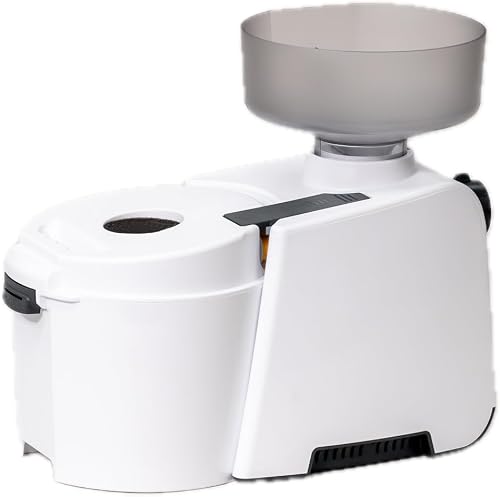
The simplest storage strategy is milling closer to when you bake. If you bake once a week, mill enough for that week and store it in the refrigerator. If you bake every day, a small countertop grain mill lets you grind a cup or two at a time so storage barely matters. Mills like the Nutrimill 760200 hold up to 20 cups per run, which suits weekly bakers who want to mill a full batch in one session. Smaller mills in the $72 to $90 range with capacities around 300 grams to 750 grams work better for daily or every-other-day use, where smaller batches reduce waste and keep the flour as fresh as possible.
Signs Your Flour Has Gone Stale or Rancid
Fresh-milled flour smells faintly sweet and grassy. Stale flour smells flat and papery. Rancid flour has a sharper, bitter or almost metallic smell that you will recognize immediately once you have baked with truly fresh flour. Visually, any gray or greenish tint, visible clumping from moisture, or small dark specks that were not in the grain are all signs to discard the batch. If your finished baked goods taste bitter or refuse to rise as well as usual, stale flour is one of the first things to check. Rancid flour will not make you sick in most cases, but it will ruin the flavor of anything you bake with it.
Storing Flour Milled From Different Grains
Not all grains carry the same storage risk. Hard red or hard white wheat flour holds up reasonably well for about a week at room temperature. Rye flour has more fat in the germ and tends to go rancid faster, so refrigerating it immediately after milling is a good habit. Spelt and einkorn are similarly delicate. Corn flour and cornmeal milled from whole dried corn also contain more oil than white flour and should be refrigerated or frozen. When you mill multiple grain types, label each container clearly because the storage windows differ and mixing them up leads to using flour past its best point without realizing it.
Practical Tips to Reduce Waste
Mill in amounts you will realistically use. If a recipe calls for two cups of whole wheat flour, mill two and a quarter cups so you have a small cushion without a large surplus. Store flour at the back of the refrigerator where the temperature is most consistent, not in the door where it fluctuates every time you open it. For freezer storage, divide larger batches into smaller portions so you only thaw what you need and avoid repeated freeze-thaw cycles. Writing the grain type and the mill date directly on the container with a piece of masking tape takes ten seconds and prevents the guesswork that leads to wasted flour.
Frequently asked questions
Can I store fresh-milled flour at room temperature?
Yes, but only for about a week in an airtight container kept away from heat and direct sunlight. After that, the oils in the germ oxidize and the flour starts to taste flat or bitter. If you bake every few days, room temperature works fine as long as your kitchen stays reasonably cool.
Does freezing flour change how it bakes?
Not significantly, as long as you let the flour warm fully to room temperature before you open the container. The key is avoiding condensation, which adds moisture to the flour and can affect hydration levels in your dough. Once the flour is at room temperature and dry, it performs the same as freshly milled flour of the same age.
How can I tell if my fresh-milled flour has gone rancid?
The clearest sign is smell. Fresh flour has a mild, slightly sweet grain scent. Rancid flour smells sharp, bitter, or faintly chemical. You might also notice that baked goods taste unusually bitter even when the recipe is correct. When in doubt, smell the flour before you use it, because rancidity is easy to detect and there is no fixing it once it is mixed into a dough.
Is there a difference in storage life between wheat, rye, and corn flour?
Yes. Hard wheat flour is the most stable of the common home-milled grains and can last about a week at room temperature. Rye flour has a higher fat content and goes rancid sooner, so refrigerating it right after milling is a better default. Whole corn flour and cornmeal milled from whole dried corn also spoil faster than wheat and benefit from refrigerator or freezer storage.
How much flour should I mill at one time?
Mill only what you plan to use within your storage window. If you bake once a week and refrigerate your flour, milling enough for the week is practical. If you bake every day, milling a small amount each time is even better because the flour is as fresh as it can be. Larger-capacity mills make big batches convenient, but convenience is only helpful if you can use the flour before it deteriorates.