What Can You Cut With a Food Slicer?
A home electric food slicer covers far more ground than just cold cuts, but knowing what it handles well and what to avoid saves you time and keeps the blade sharp.
Most people buy a food slicer for deli meat, then discover it works on a dozen other things sitting in their fridge or pantry. The rotating blade and adjustable thickness knob make it useful anywhere you want uniform cuts that a chef's knife struggles to produce consistently. That said, a slicer is not a universal cutting tool, and certain foods can damage the blade, the motor, or the food itself. This guide covers the main categories of food a slicer handles well and flags the ones worth skipping.
Products mentioned in this post
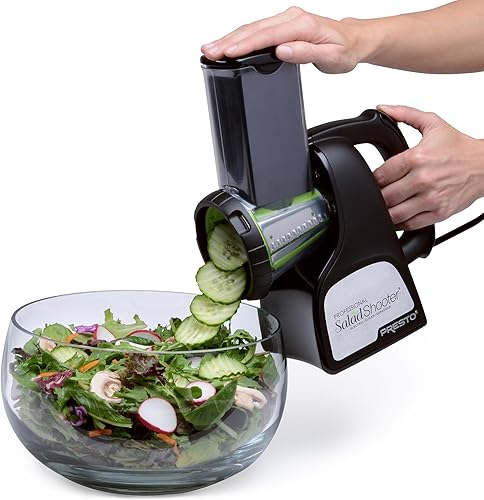

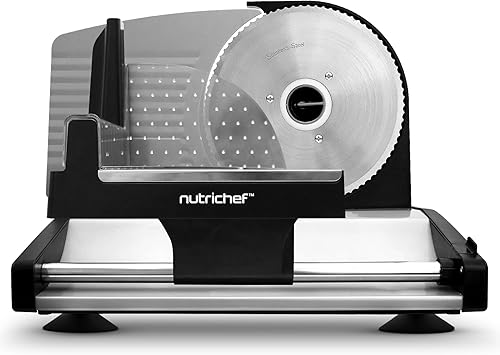
Cooked and Cured Meats
Cooked and cured meats are the primary use case for a home food slicer, and the machine excels here. Roast beef, turkey breast, ham, salami, bologna, and similar deli-style items slice cleanly at any thickness from paper-thin to a full inch. The key is that the meat should be cold, ideally just out of the refrigerator, because warm meat compresses under the blade and produces ragged cuts. Cured whole muscles like coppa or bresaola slice especially well because their firm texture holds shape. For softer cooked meats like meatloaf, a brief rest in the freezer, around 20 to 30 minutes, firms them up enough for the blade to produce clean, even slices.
Hard and Semi-Hard Cheeses
Hard and semi-hard cheeses are a natural fit for a food slicer because they require consistent pressure and a steady cutting angle that is difficult to maintain with a hand knife. Cheddar, Swiss, provolone, Gruyere, Colby, and similar cheeses slice well at any thickness setting. The Presto 02970, priced at $72.44 with a 4.5-star rating from over 9,100 reviewers, is a popular home option frequently noted for handling block cheese without crumbling. Very soft cheeses like fresh mozzarella or Brie tend to smear and stick to the blade, so they are better sliced by hand with a wire or a wet knife. Aged Parmesan is too hard and brittle and can chip the blade on a home machine.
Bread and Baked Goods
A food slicer is one of the most reliable ways to cut a homemade loaf into sandwich-ready uniform slices. Artisan bread, sourdough, sandwich loaves, and even dense rye all cut well once the loaf is fully cooled. Cutting warm bread with a slicer causes the blade to compress and tear the crumb rather than slice it cleanly, so patience pays off here. Bagels, focaccia, and pound cake also work well on a slicer. The Cuisinart FS-75, at $119 with a 4.2-star rating across 3,800 reviews, weighs 11 lb and sits stably on the counter, which matters when pushing a full loaf through on the carriage. Avoid very sticky or heavily iced baked goods, as the residue builds up quickly on the blade and requires thorough cleaning.
Vegetables and Fruits
Firm vegetables like zucchini, cucumber, bell pepper, onion, beets, and fennel all cut well on a food slicer and produce remarkably uniform rounds or strips that are hard to match with a knife. For thin-sliced potato rounds, a slicer set to its thinnest setting delivers consistent results. Tomatoes can be sliced on a slicer, though very ripe ones sometimes compress, so firmer varieties work better. Hard root vegetables like raw carrots or turnips put more strain on a home motor and are better prepped with a mandoline or knife if the machine is not rated for commercial use. Most fresh fruit with a firm flesh, like apple or pear, slices cleanly, but very juicy fruits like peaches make a mess and leave sugary residue in the carriage grooves.
Smoked Fish and Seafood
Smoked salmon, gravlax, and smoked whitefish are popular slicer candidates because thin, even cuts are important for both presentation and texture on a plate. The fish should be cold and firm, not frozen solid. A thin setting produces translucent slices similar to what you find at a deli counter. Raw fish and shellfish are not suitable for a food slicer because the texture is too soft and gelatinous to hold shape under the blade. Cross-contamination is also a serious concern when slicing fish after meat or cheese, so thorough cleaning of the blade, carriage, and food tray between different foods is essential.
What to Avoid Putting in a Food Slicer
Several foods are poor choices for a home electric slicer and can cause real problems. Frozen foods, including frozen meat or bread, are too hard and can chip or stress the blade. Bones must never go through a slicer regardless of size. Very fibrous foods like whole pineapple or raw butternut squash resist the blade and can stall the motor on lower-wattage home units. Nuts are not appropriate for a slicing blade at all. The NutriChef NUGJ801 at $69.99, with a 4.3-star rating from 765 reviewers and 200 units sold last month, is a compact home option well suited to soft meats, cheese, and bread, but like most home slicers, it is not designed for hard or frozen foods.
Thickness Settings and Getting the Best Results
Most home slicers offer a continuously adjustable thickness knob that runs from near-zero up to about three quarters of an inch on standard home models. Paper-thin slices at the lowest setting work well for cured meats and smoked fish. A medium setting around an eighth of an inch is typical for sandwich meat, cheese for boards, and bread. Thicker settings suit roast cuts meant for a platter or vegetable rounds for grilling. One practical tip is to make one test pass on a scrap piece at the desired setting before committing the whole item, since actual cut thickness can vary slightly depending on how firm the food is and how evenly it sits in the carriage.
Frequently asked questions
Can a food slicer cut raw chicken or steak?
Raw chicken is not practical to slice on a home food slicer because the soft texture produces uneven cuts and the blade and carriage become heavily contaminated in a way that is difficult to fully sanitize on many home units. Raw steak with connective tissue is also difficult because the blade can snag on tendons rather than cutting through cleanly. Partially freezing raw meat for 30 to 45 minutes firms it up considerably and makes slicing much easier, which is how many home cooks prepare thin-sliced beef for dishes like shabu-shabu or bulgogi.
What is the thinnest a home food slicer can cut?
Most home food slicers can reach a minimum thickness of around 1 millimeter or less at the lowest setting, which produces translucent slices of firm cured meats or smoked salmon. Achieving that minimum consistently requires the food to be very cold and firm. If the food is even slightly soft or warm, the blade tends to compress rather than slice at that thinness, and the result is thicker or torn pieces rather than paper-thin rounds.
Can you slice bread without tearing it?
Yes, but the loaf must be completely cooled before slicing, and a light, steady pressure on the carriage produces better results than forcing the food quickly through the blade. Artisan loaves with a hard crust do well because the crust stabilizes the shape under the blade. Soft sandwich bread sometimes compresses on the carriage, but a slow steady feed and a sharp blade keep the slices intact. Bread that is still warm from the oven will almost always tear regardless of blade sharpness.
How do I clean a food slicer between different foods?
Unplug the machine first, then remove the blade carefully using the handguard or a cut-resistant glove because the edge is sharp even when the motor is off. Wash the blade, carriage, food tray, and thickness plate with warm soapy water, rinse, and dry thoroughly before reassembling. Cross-contamination between raw proteins and ready-to-eat foods like cheese or cooked meats is a genuine food safety risk, so a full clean between those categories is necessary, not optional. Some components on certain models are top-rack dishwasher safe, but check the owner's manual for your specific machine before putting parts in the dishwasher.
Do electric food slicers work for hard salami or summer sausage?
Yes, hard salami and summer sausage are among the foods home slicers handle best. The firm, compact texture holds shape well under the blade and produces clean coin-shaped rounds at any thickness. If the casing is very tough, a quick score with a knife at the ends makes feeding the sausage into the carriage easier. Chilling the salami for 20 minutes before slicing also helps if it has been sitting at room temperature and feels slightly soft.