Why Is My Meat Grinder Clogging?
A clogging meat grinder almost always comes down to one of a handful of fixable problems, most of which you can solve without any new parts.
A meat grinder that jams mid-grind is one of the most common complaints from home users. The machine slows down, the auger strains, and the output stops entirely. The good news is that clogging rarely signals a broken machine. It usually points to technique, temperature, or preparation issues that are straightforward to correct.
Products mentioned in this post

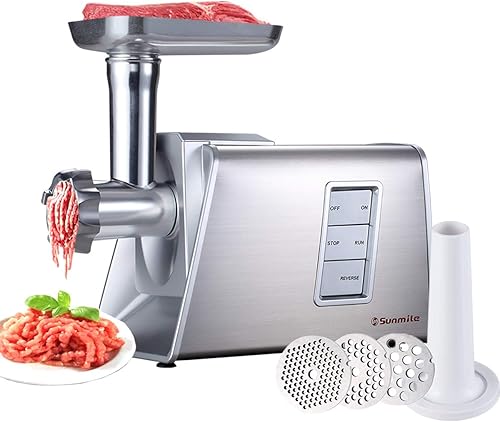

Warm Fat and Connective Tissue Are the Main Culprits
Fat and sinew behave very differently at different temperatures. When fat is cold and firm, the auger grabs it cleanly and the blade cuts through it. When fat warms up above roughly 40 degrees Fahrenheit, it turns soft and greasy, and instead of cutting it smears and wraps around the auger shaft and the blade. Sinew and silver skin are tougher and stringier, and they tangle around the cutting assembly even when the meat is cold. The standard fix is to cube the meat small, spread it on a sheet pan, and freeze it for 20 to 30 minutes before grinding. Keeping the grinding head itself cold, by chilling it in the freezer for 15 minutes before you start, helps further. Trim sinew and silver skin before the meat goes in.
A Dull or Incorrectly Seated Blade
The cutting blade sits flat against the grinding plate, and the two surfaces need to mate tightly to shear meat cleanly. When the blade dulls it stops cutting and starts tearing, which means sinew and fat get pushed rather than sliced. Tearing meat accumulates in the plate holes and blocks them. A new replacement blade for most standard grinders costs only a few dollars and is the single highest-impact maintenance item you can buy. Beyond sharpness, the blade must be seated face-down with the flat side pressed against the plate. If it is installed backward, it will not cut at all. Check the blade orientation every time you reassemble the machine.
Overloading the Feed Tube
Consumer grinders, including models rated at 800 W to 1000 W, are designed for a steady flow of small, pre-cut pieces. Pushing a large chunk down the feed tube forces the auger to compress rather than move the meat, which stalls the system. Cube meat to about 1 inch pieces before it goes in, and feed them one at a time at a pace the machine can clear. If you feel resistance through the stomper, slow down rather than push harder. Forcing more meat in when the auger is already straining is the fastest way to produce a full jam.
Plate Hole Size Mismatch
Coarse plates with large holes, typically 3/8 inch or larger, pass meat more easily than fine plates with holes of 1/8 inch or smaller. If you are trying to grind a tough cut like chuck or brisket through a fine plate on the first pass, clogging is likely. The standard approach is to run the meat through a coarse plate first, then switch to a fine plate for a second pass. This two-pass method is much kinder to the motor and gives you a better texture anyway. Fine plates are fine for a second grind of already-ground meat, but they are not the right tool for whole chunks of cold raw beef.
Bone Fragments and Cartilage
Even small fragments of bone, cartilage, or gristle can wedge into the plate holes and stop the flow of meat entirely. If you are grinding chicken thighs, for example, check each piece carefully for bone chips before it goes in. Cartilage is harder to spot, but it tends to concentrate near joints. Trim it away before grinding. A single small bone chip can lock up the auger completely on lighter-duty home machines, so this step is worth the extra minute of prep.
How to Clear a Jam Safely
Turn off the machine and unplug it before touching the grinding head. Never reach into the feed tube while the motor is running. Once the machine is off, remove the ring, plate, blade, and auger and clear the blockage by hand under running water. Inspect the plate holes for packed sinew and push them clear with a toothpick or stiff brush. Reassemble, make sure everything is cold again, and restart with smaller pieces. Running the machine in reverse, if your model has that option, can help back out a jam without disassembly.
When Clogging Points to a Motor Problem
If you have cold, trimmed, properly cubed meat, a sharp blade correctly installed, and the right plate size for the cut, and the grinder still jams frequently, the motor may be undersized for the work you are asking it to do. Light-duty home grinders around 800 W handle standard burger grinds well for occasional use. Heavier loads, like repeated batches of tough venison or chuck, or continuous use, need more motor capacity. Persistent overheating or burning smells alongside clogging suggest the motor is working past its rated capacity. In that case the fix is a more powerful machine, not a technique change.
Frequently asked questions
Why does my meat grinder keep stopping and starting?
Most motors have a thermal overload switch that cuts power when the motor gets too hot, then resets after a cool-down period. This produces the stop-and-start pattern. It usually means the machine is being pushed past its duty cycle, which is the proportion of time it is designed to run continuously. Let it rest for 10 to 15 minutes, then grind in shorter batches rather than one long continuous run.
Can I grind frozen meat to prevent clogging?
Partially frozen is the right target, not fully frozen. Meat that is fully solid will damage the blade and strain the motor. You want the meat firm enough that fat does not smear, which usually means about 20 to 30 minutes in the freezer after cutting it into cubes. The outside should feel firm and the center should still have a little give.
How often should I sharpen or replace the grinding blade?
For home users grinding a few pounds at a time once or twice a month, a blade typically stays sharp for a year or more before it noticeably affects performance. If you grind frequently or in large quantities, check the blade every few months by running your finger along the flat cutting edge. When it feels rounded rather than sharp, replace it. Blades are inexpensive and replacement is the easiest fix you can make.
Does the grinding plate need to be replaced too?
The plate wears more slowly than the blade because it is thicker and harder, but it does dull over time. Scratches and pitting on the plate face prevent the blade from seating flush, which causes tearing instead of cutting. If you have replaced the blade and still see poor performance, hold the plate up to the light and check the face for visible scratches or deformation around the holes. A new plate paired with a new blade restores performance close to what a new machine delivers.
Why does my grinder clog with chicken but not beef?
Chicken skin and the connective tissue around joints are the usual cause. Skin is thin, flexible, and elastic, which means it wraps around the auger rather than feeding through the plate. Remove the skin entirely before grinding chicken. Also trim any visible cartilage around the joint areas. Chicken thigh meat without skin grinds cleanly on most home machines when the meat is partially frozen.