Are Electric Food Slicers Worth It?
Recommended picks

What an Electric Slicer Actually Does Better Than a Knife
Consistent slice thickness is the core advantage. A slicer lets you dial in the same cut every time, whether you want paper-thin prosciutto or a thicker bologna slice for sandwiches. Knives require a steady hand, good technique, and a sharp blade to match that consistency, especially on cold or semi-frozen meat. Slicers also reduce fatigue when breaking down a whole roast or a large block of cheese. For anyone who bulk-preps food for the week, that time savings adds up quickly.
The Real Cost: Price, Space, and Cleanup
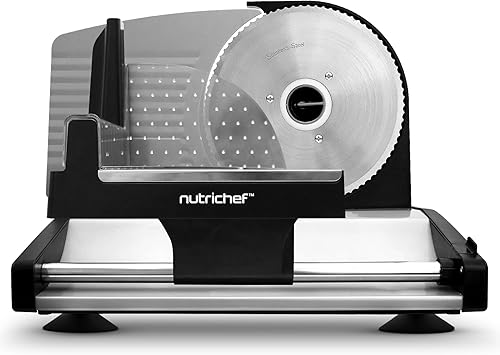
Entry-level home slicers like the NutriChef NUGJ801, priced at $69.99 with a 4.3-star rating from 765 buyers, show you can get into the category without a big outlay. The trade-off is counter space and cleanup. Blades are sharp and require careful handling during washing, and most home units have multiple parts that need to be disassembled after each use. A slicer that sits in a cabinet rarely gets used, so be honest about whether you will keep it accessible. Weight matters too: lighter models around 3.9 to 4.4 lb are easy to store, while mid-range units like the Cuisinart FS-75, which weighs 11 lb at $119, are better left on the counter.
Who Gets the Most Value from a Home Slicer
Households that buy whole deli meats or roasts to slice at home instead of paying the deli counter markup see the clearest payback. Cold cuts bought as whole pieces can cost significantly less per pound than pre-sliced options, so a $70 to $120 slicer can pay for itself within a few months for a family that eats a lot of sandwiches. Hunters and home butchers who process their own venison or pork benefit from slicers that handle partially frozen meat cleanly. Charcuterie enthusiasts slicing cured meats thin also fall into this group.
When a Slicer Is Not Worth the Investment
If you slice a loaf of bread once a week or cut a block of cheese now and then, a quality knife will serve you better. Slicers are bulky relative to that limited use, and the cleanup adds friction that discourages you from pulling the machine out at all. Very soft foods like tomatoes or fully cooked sausages can also be tricky on budget home units if blade quality is low. The Cuisinart FS-75, with 3,800 reviews at 4.2 stars and priced at $119, represents a sweet spot for home users who do slice regularly, but below that commitment level a knife is simpler and faster.
What to Look for When Buying
Blade size determines what you can slice, with 7-inch to 9-inch blades covering most home tasks. Thickness adjustment should be smooth and hold its position during use. Weight is a practical consideration: a sub-5-lb unit stores easily but may feel less stable, while a 10-plus-lb unit stays planted but demands counter space. Stainless steel blades hold an edge longer than aluminum alternatives. Safety features including a blade guard and a non-slip base matter because slicers operate at speed and the blades are genuinely dangerous. Check that replacement blades and parts are actually available for any model you consider.
Getting the Most Out of a Slicer You Already Own
Chilling meat to just above freezing before slicing produces cleaner, more uniform cuts than slicing at room temperature. Always use the food carriage rather than guiding food by hand. Clean the blade immediately after use, before any residue has a chance to dry and harden. Sharpen or replace the blade on a schedule your usage demands: a dull blade requires more pressure, which is both inefficient and less safe. Store the slicer with the blade guard in place to protect both the blade and anyone reaching into the cabinet.
Common mistakes to avoid
- Buying a slicer for occasional use and then storing it in a hard-to-reach cabinet, so it never gets used.
- Skipping the step of chilling meat before slicing, which leads to ragged, uneven cuts.
- Running the slicer continuously for too long, which can overheat the motor on home-grade units.
- Washing the blade carelessly and cutting a hand, since slicer blades stay sharp and have no guard during cleaning.
- Choosing a blade size too small for the food being sliced, for example a 7-inch blade on a wide pork loin.
- Neglecting to tighten the thickness adjustment knob, causing the setting to drift mid-use.
Frequently asked questions
Can a home electric slicer handle frozen meat?
Home slicers are designed for partially chilled or refrigerator-cold meat, not fully frozen blocks. Partially freezing meat, meaning chilling it until it is firm but not solid, makes slicing easier and produces cleaner results. Trying to force a fully frozen piece through a home-grade slicer risks stalling or damaging the motor.
Is a $70 slicer good enough for home use?
For basic tasks like slicing deli meat, soft cheeses, and bread, a $70 unit is workable. The Presto 02970 at $72.44 carries a 4.5-star rating from over 9,100 buyers, which suggests solid satisfaction at that price. Expectations should be set appropriately: these lighter machines are not built for heavy daily loads or dense hard cheeses over long sessions.
How do I clean an electric food slicer safely?
Unplug the slicer before doing anything else. Remove the blade carefully using a folded towel or the handle provided, never bare hands, and wash it separately with warm soapy water. Wipe down the carriage, thickness plate, and body with a damp cloth. Dry all parts thoroughly before reassembling to prevent rust on the blade.
Will a food slicer actually save me money?
It can, depending on your shopping habits. Whole deli roasts or unsliced meats often cost less per pound than their pre-sliced equivalents at the deli counter. A household that regularly buys those whole cuts and slices at home could recover the cost of a $70 to $120 machine within a few months. The savings depend on how much you buy and how frequently you use the machine.
What foods should I avoid slicing with a home unit?
Fully frozen items, very hard cheeses like aged Parmesan, and dense bones should not go through a consumer-grade slicer. Extremely soft or wet foods like ripe tomatoes can also be difficult, as they tend to compress rather than slice cleanly on lower-powered units. Stick to meats, semi-hard cheeses, bread, and similar foods for best results.