How to Clean a Meat Grinder the Right Way
Recommended picks


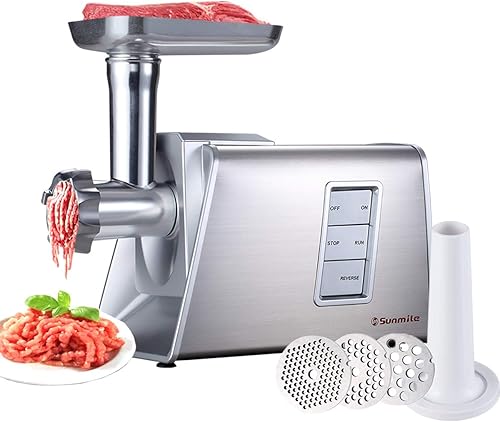
Step 1: Unplug and Disassemble Immediately
As soon as you finish grinding, unplug the machine. Remove the head, grinding plate, blade, auger, and hopper tray in the order your manual specifies. On a compact unit like the Sunmile SM-G35, which weighs 7.3 lb and runs on 800 W, disassembly takes under a minute once you know the sequence. Keep all the small parts together on a clean surface so nothing rolls into a drain. Never submerge the motor housing or power cord in any liquid.
Step 2: Cold Rinse Before Soap
Hold each metal part under cold running water and knock out as much raw meat as possible before adding any soap. Hot water is the wrong starting point because heat causes meat protein to bond to the metal surface, creating a sticky film that is harder to scrub off. A quick 30-second cold rinse on the blade, plate, and auger removes the bulk of the residue. This single habit makes every subsequent step easier and shorter.
Step 3: Wash the Removable Parts
Fill a basin with warm water and a small amount of dish soap. Wash the auger, blade, grinding plates, and hopper with a stiff-bristle brush, paying close attention to the holes in the grinding plates where meat fibers collect. The Aaobosi MG102A is rated by over 1,600 buyers at 4.5 stars and is purchased by roughly 3,000 households each month, partly because its plates and auger have a straightforward shape that cleans without special tools. Rinse each part thoroughly under warm water until no soap film remains. If your grinder came with multiple plate sizes, wash all of them even if you only used one, since airborne bacteria can settle on stored parts.
Step 4: Dry Completely to Prevent Rust
Rust is the main long-term risk with metal grinder parts. Dry every piece immediately with a clean cloth, then let them air-dry on a rack for at least 20 to 30 minutes before reassembling or storing. Stainless steel parts resist rust better than carbon steel, but even stainless can develop surface oxidation if stored wet. A light wipe with food-grade mineral oil on the blade and grinding plate after drying creates a barrier against moisture. Do not use vegetable oil for this, as it can go rancid.
Step 5: Wipe Down the Motor Housing
The motor body should never go in water. Wipe the exterior with a damp cloth and follow with a dry one. Pay attention to the area around the head attachment and any grooves where meat juices can drip during operation. On heavier units like the Sunmile SM-G73, which draws 1,000 W and has been rated by 796 buyers, the housing is typically plastic or coated metal that cleans easily with a single pass. Make sure the attachment collar and locking ring are free of grease before storing.
Step 6: Sanitize Periodically
A soap-and-water wash removes visible residue, but periodic sanitizing reduces pathogen risk further. After washing and rinsing the metal parts, soak them for two minutes in a solution of one tablespoon of unscented bleach per gallon of cold water, then rinse thoroughly with clean water and dry as normal. Do this after processing poultry, wild game, or any meat that will be stored raw for more than a day. Food safety guidelines recommend this level of sanitation any time the grinder handles high-risk proteins.
Common mistakes to avoid
- Soaking the motor housing or running it under water, which damages the electrical components.
- Using hot water on the first rinse, which bakes meat proteins onto grinding plates and blades.
- Storing parts while still damp, which leads to rust on carbon steel blades and plates.
- Skipping the grinding plate holes when scrubbing, leaving meat fibers that rot and cause odors.
- Using vegetable or olive oil to coat metal parts after drying, which turns rancid and transfers off-flavors to the next batch.
- Waiting hours or overnight before cleaning, allowing bacteria to multiply and fat to harden in the auger channel.
Frequently asked questions
Can I put meat grinder parts in the dishwasher?
Some manufacturers label their plastic hoppers and trays as dishwasher-safe, but metal blades, augers, and grinding plates generally should not go in the dishwasher. The high-heat drying cycle accelerates dulling on blades and can cause rust spots on plates that are not fully stainless. Check your specific model's manual, and when in doubt, hand wash metal parts.
How do I get rid of the meat smell after cleaning?
If a soapy wash leaves a lingering odor, soak the metal parts in a solution of one part white vinegar to three parts water for five minutes, then rinse and dry. Vinegar neutralizes the compounds that cause meat odor without leaving a chemical residue. Air drying in a ventilated spot rather than in a closed cabinet also helps the smell dissipate fully.
How often should I sharpen or replace the blade?
A dull blade is the most common reason a grinder starts smearing meat instead of cutting it cleanly. How quickly a blade dulls depends on how often you grind and what you grind, since bones and cartilage accelerate wear. Many home users sharpen or replace blades once or twice a year. If the ground meat looks mashed or the motor works harder than usual, that is a clear sign the blade needs attention.
Is it safe to clean a meat grinder right after it overheats?
Let the motor cool for at least 10 minutes before disassembling and cleaning. Touching a hot grinding head can cause burns, and moving parts from hot to cold water quickly can cause minor warping on thinner metal components. Overheating itself usually signals the grinder was run continuously beyond its duty cycle, so cleaning is also a good time to check the manual for recommended rest intervals.
Do I need to oil the grinder after every cleaning?
You do not need to oil after every single use if you are grinding again within a day or two and storing the parts in a dry place. Apply a thin coat of food-grade mineral oil when the grinder will sit unused for a week or more, or if you live in a humid climate where rust risk is higher. Always wipe off any excess oil before the next use so it does not mix into the meat.