Built-In vs Countertop Dishwasher: How to Choose the Right One
Recommended picks


Capacity: How Many Dishes Do You Actually Wash?
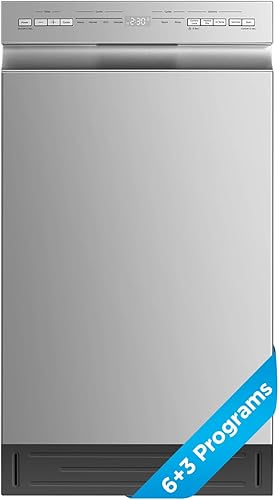
Place settings are the standard measure for dishwasher capacity. A full-size built-in typically fits 12 to 16 place settings, meaning a complete set of dishes, glasses, and cutlery for that many people in one load. The Frigidaire FFBD1831US, for example, is a 24-inch built-in priced at $803 with 165 ratings averaging 4.2 stars, targeting households that cook and eat at home regularly. Countertop models top out at around 6 place settings, which covers a day or two of solo cooking. If you regularly host guests, cook dinner for a family, or batch-cook on weekends, a countertop unit will force you to run multiple cycles or hand-wash the overflow. For anyone feeding more than two people consistently, a built-in is the practical choice on capacity alone.
Installation: Permanent Plumbing vs Faucet Hook-Up
Built-in dishwashers require a dedicated hot-water line, a drain connection, and a 120-volt outlet, plus an under-counter opening that is usually 24 inches wide and 34 inches tall. Most installations are done by a plumber or appliance installer, and in a rental that work often requires landlord permission. Countertop units connect to a standard kitchen faucet with an adapter and drain into the sink, so setup takes about 10 minutes. The trade-off is that a countertop dishwasher occupies 18 to 22 inches of counter depth while it runs, which is noticeable in a small kitchen. If you own your home and already have the under-counter space, the one-time installation cost of a built-in pays back quickly in convenience.
Noise Levels: What the Decibel Numbers Mean
Noise is one of the clearest differences between price tiers in built-in dishwashers, and it matters more than many buyers expect. A machine running at 55 dB is clearly audible and can interrupt a conversation in an adjacent room. Drop to 50 dB and it blends into the background for most people. The Honeywell HDS24SS-H runs at 42 dB, holds 12 place settings, and sells for $399.99, with 327 ratings at 3.8 stars, making it one of the more reviewed affordable built-ins at this noise floor. The Midea MDF18A1AST also rates 52 dB and carries 501 reviews at 4.2 stars for $499.12, which shows solid buyer satisfaction at a mid-range decibel level. Countertop dishwashers tend to run louder per load than premium built-ins because they have less insulation, though they run shorter cycles. If quiet operation during evenings matters to you, a built-in at 44 dB or lower is the cleaner solution.
Cost: Upfront Price, Installation, and Long-Term Value
Countertop dishwashers typically cost $200 to $400 with no installation expense, making them the cheapest way into automatic dishwashing. Built-in models in this catalog range from roughly $390 to over $1,600 depending on features, brand, and noise rating, plus $100 to $300 for professional installation if you do not have existing hookups. Over five or more years, however, a built-in handles far more dishes per cycle, uses less water per place setting than hand-washing, and adds resale value to the home. If you are renting for one or two years then moving, a countertop unit that you can take with you is sensible. If you plan to stay put for three or more years and have the under-counter space, the math usually favors a built-in.
Kitchen Space and Aesthetics
Built-in dishwashers slide fully under the counter, keeping the counter clear and giving the kitchen a cleaner appearance. Models with fully integrated controls, like the ZLINE DW-SS-24 at $818.97 with a 52 dB rating and 20 place settings, hide the control panel on the top interior edge of the door, so the front blends with your cabinetry. Countertop units are visible and take up continuous counter real estate every time they run, which can feel cramped in a galley kitchen or studio apartment. If counter space is tight but cabinet space is available, check whether a drawer-style or 18-inch built-in fits, since a narrower built-in can free up more usable surface than a countertop unit running on the same counter.
Who Each Type Fits Best
A countertop dishwasher is a good match for renters, single-person households, RV or boat living, or anyone who wants to try automated dishwashing before committing to a full installation. A built-in dishwasher fits homeowners, families of three or more, anyone who entertains regularly, and buyers who want the lowest noise floor and the best per-load water efficiency. The decision usually comes down to two questions: do you own the space and have the hookups, and do you wash enough dishes each day to fill a standard rack? If the answer to both is yes, a built-in will serve you better for the long run.
Common mistakes to avoid
- Choosing a countertop model to save money, then running it three times a day because it is undersized for the household.
- Buying a built-in without measuring the under-counter opening first, since standard openings are 24 inches wide and 34 inches tall, and not all kitchens match.
- Ignoring decibel ratings and then discovering the machine is too loud to run while watching TV or putting a child to sleep.
- Assuming a lower price means lower quality, when some budget built-ins like the Honeywell HDS24SS-H earn solid ratings across hundreds of reviews.
- Forgetting to budget for installation when comparing built-in prices to countertop prices, which can add $100 to $300 to the total.
- Not checking water hookup compatibility before buying a countertop unit, since some faucet types require a specific adapter that does not ship in the box.
Frequently asked questions
Can I install a built-in dishwasher myself?
If you already have a hot-water line, a drain stub-out, and a 120-volt outlet under the counter, a confident DIYer can complete the swap in a couple of hours. If any of those hookups are missing, you will need a plumber to add them, which is where most of the installation cost comes from. Always shut off the water supply before disconnecting the old unit or making new connections.
Do countertop dishwashers clean as well as built-ins?
For light loads of dishes without heavy baked-on food, a countertop unit cleans adequately. Built-in dishwashers generally use higher water temperatures and stronger spray arms that cover a larger rack area, which produces better results on greasy pans and heavily soiled dishes. If your loads tend to be lightly used glasses and plates, the cleaning gap is smaller.
How loud is too loud for a dishwasher?
Above 55 dB is clearly audible in the next room and can feel disruptive in an open-plan kitchen. The 48 to 52 dB range is noticeable if you are standing nearby but fades into background noise in most homes. Below 45 dB is considered quiet by most people, and at 42 dB, like the Honeywell HDS24SS-H or the Samsung DW80BB707012AA, you often have to check whether the machine is actually running. If the dishwasher is near a living room or bedroom, aim for 46 dB or lower.
Is a built-in dishwasher worth it for one or two people?
It depends on how often you cook at home and whether you own the space. Two people who cook daily will fill a dishwasher every one to two days, which is enough use to justify the efficiency gains over hand-washing. If you eat out frequently and rarely have more than a few dishes to clean, a countertop unit or even hand-washing may cost less overall once you factor in installation.
What does a fully integrated dishwasher mean?
A fully integrated built-in has its controls on the top inside edge of the door rather than on the front panel, so the exterior looks like a plain cabinet door when closed. This gives the kitchen a seamless look and is popular in modern or minimalist kitchen designs. The trade-off is that you cannot see the cycle status without opening the door, though some models add a small indicator light on the floor to show when it is running.